


As organizations continue to use data to drive value, the need to understand, manage, and protect data assets has become increasingly critical. Many organizations have instituted data governance programs to manage their data more collaboratively and transparently. Simultaneously, it seems, data has gotten more complex as machine learning algorithms drive insight at scale, introducing new data risks, particularly in the financial industry. Regulators responded by imposing controls designed to instill a more disciplined approach to model risk management.
The goals of information governance and model risk management are closely related—to deliver consistent, trustworthy, and reliable data for improved business intelligence. Unfortunately, at many organizations these two data management approaches are often misaligned: roles and responsibilities often conflict, leaving stakeholders across the organization confused about how to apply required governance and model management standards.
Today, when a global pandemic has called into question the models financial institutions have traditionally relied on, bringing these two disciplines into alignment is imperative for institutions that want to verify that their high risk models are performing correctly and in accordance with enterprise-wide data governance standards.
The Model Governance Playbook
At Definian we provide a proven, systematic approach for reducing model risk through more transparent and collaborative model governance.
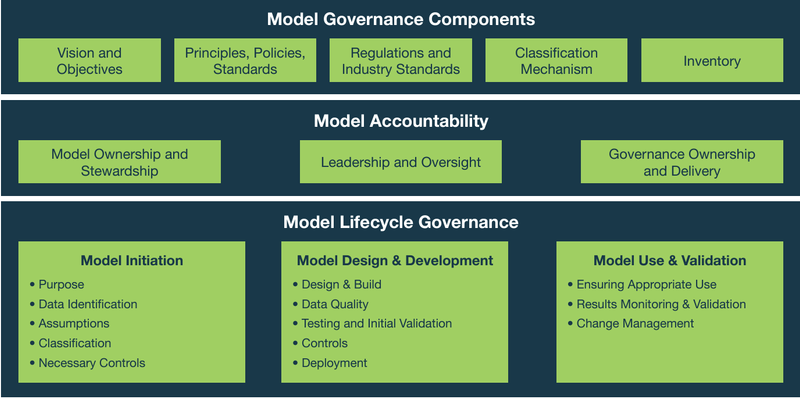
Our Model Governance Playbook helps organizations align enterprise data governance standards with model risk management guidelines. We engage stakeholders across your organization to:
- Collect and verify principles, policies and standards for managing model risk
- Develop an enterprise inventory along with the metadata you will need to maintain it
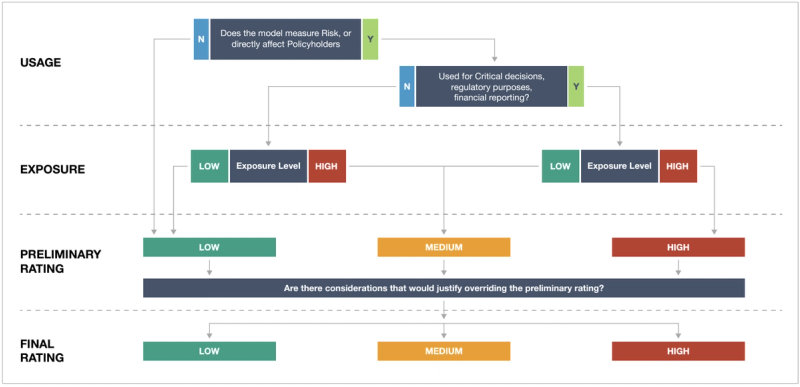
- Design a risk classification mechanism to determine the level of model risk
- Create an operating model for managing risk across the model lifecycle
- Manage risk more reliably at every stage, including model initiation, development, use, and validation.
Benefits
At a time when financial institutions are being called on to adjust their data and methodologies to reflect a post COVID-19 world, aligning enterprise-wide data governance policies with model risk management will deliver:
- Benefits At a time when financial institutions are being called on to adjust their data and methodologies to reflect a post-COVID-19 world, aligning enterprise-wide data governance policies with model risk management will deliver:
- Improved compliance with both information and model governance standards
- Better alignment of roles and responsibilities
- Enhanced compliance with regulatory policy
For more information about how your organization can begin aligning its governance initiatives to deliver more compliant, accurate, and trustworthy data to stakeholders, call us today.